Self-Harm Is Exploding In New York City Jails, Internal Numbers Show
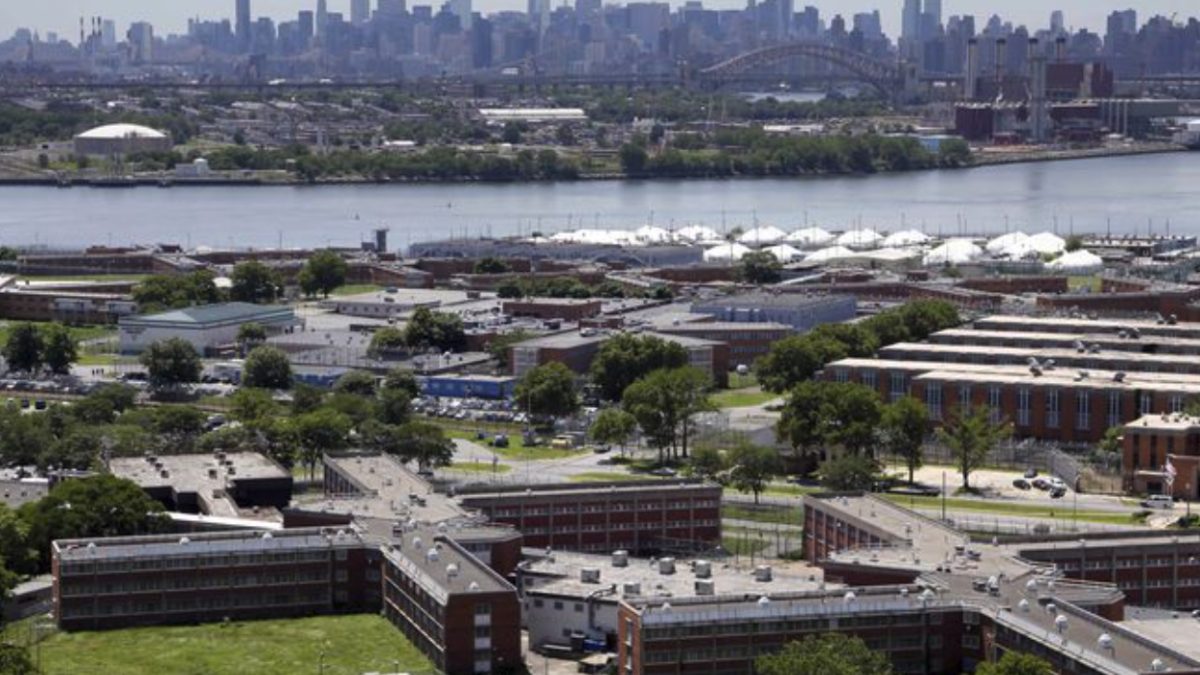
As in the world outside, people in the correction system didn’t know how long the crisis was going to last. The uncertainty forged an initial bond of solidarity among detainees and staff, according to a jail mental health worker, who requested anonymity because they are not authorized to speak to the media.
“There was almost like a new sense of community in the jail; people were trying to get through this together because it was so unknown to everyone,” the medical staffer recalled.
They said detainees wrote music together, shared phone PIN numbers so others could make calls, and got masks from correction officers to make sure everyone was covered.
In addition, some detainees had hope because attorneys were having success pushing the courts to grant releases, citing the deadliness of COVID.
“People in the jail knew it. They kept asking, ‘Am I on this list? I’m being told I’m on this list,’” said Kelsey De Avila, project director of jail services at Brooklyn Defender Services. “And in a lot of ways that gives people a tremendous amount of hope.”
But the city’s willingness to release incarcerated people quickly slowed, leaving many to wait behind bars as trials and other court procedures ground to a halt.
“For some people, who thought they were being released and couldn’t be released, I think it definitely contributed to people’s hopelessness,” said De Avila.


